
Master Stress Management with Proven Techniques
Explore comprehensive guides, practical exercises, and evidence-based strategies to reduce stress and build resilience in your daily life.
Explore by Category
Core Stress Management Techniques
Progressive Muscle Relaxation
Learn how to systematically tense and release muscle groups throughout your body. This evidence-based technique reduces physical tension, lowers blood pressure, and promotes deep relaxation in just 15-20 minutes.
Learn MoreMindfulness Meditation
Discover the transformative power of present-moment awareness. Mindfulness helps you observe thoughts without judgment, reduce anxiety, improve focus, and build emotional resilience. Start with just 5 minutes daily.
Learn MoreDeep Breathing Exercises
Master the 4-7-8 technique, box breathing, and diaphragmatic breathing to activate your parasympathetic nervous system. These simple methods provide immediate calming effects and can be practiced anywhere, anytime.
Learn MoreCardiovascular Exercise
Regular aerobic activity is one of the most effective stress reducers available. Exercise releases endorphins, improves sleep quality, and builds confidence. Learn how to incorporate movement into your daily routine sustainably.
Learn MoreCognitive Behavioral Strategies
Challenge negative thought patterns and reframe stress-inducing situations. Learn practical tools like thought journals, worry scheduling, and cognitive restructuring to develop a healthier mindset and emotional response patterns.
Learn MoreSleep and Recovery
Understand the critical connection between quality sleep and stress management. Explore sleep hygiene practices, optimal bedroom environments, and wind-down routines that support restorative rest and natural stress recovery.
Learn MoreNutrition and Hydration
Discover which foods and nutrients support stress resilience and emotional balance. Learn about cortisol-regulating foods, the impact of caffeine and alcohol, and practical meal planning strategies that fuel both body and mind.
Learn MoreSocial Connection and Support
Strong relationships are vital buffers against stress. Learn how meaningful social connections, community engagement, and seeking support networks enhance overall wellness and provide emotional resilience during challenging times.
Learn MoreVisual Meditation and Relaxation Spaces

Meditation Spaces
Creating environments conducive to deep practice

Nature and Outdoors
Connecting with natural environments for calm
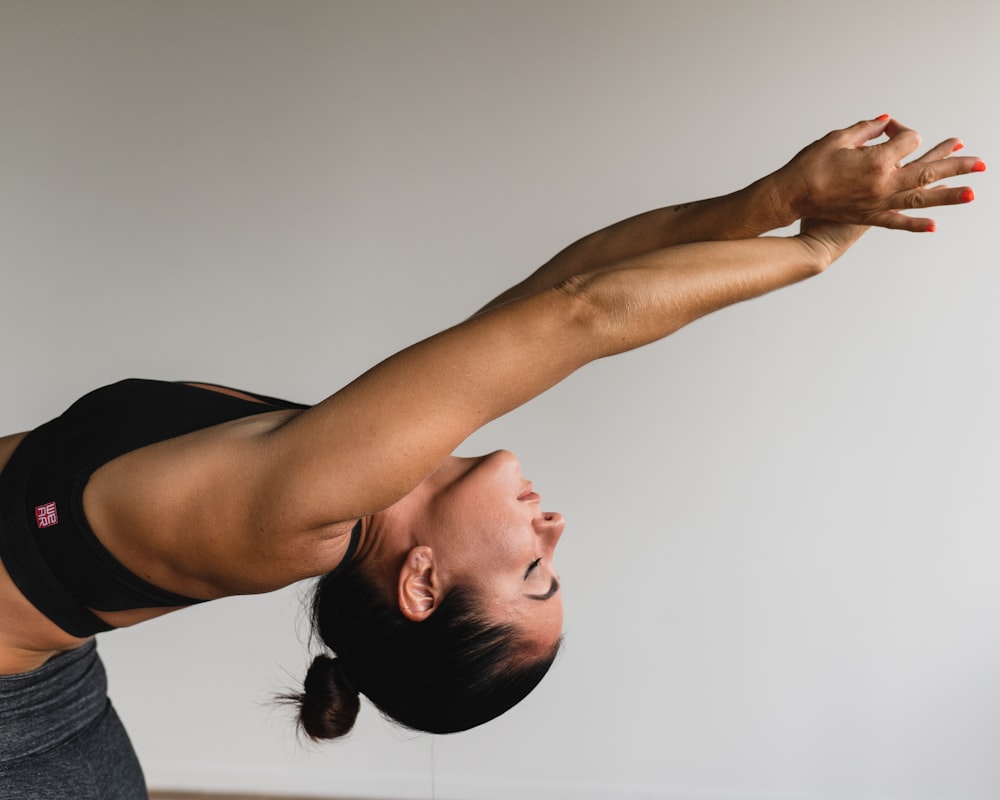
Yoga and Stretching
Integrating movement with mindfulness
Spa Wellness
Pampering practices for deep restoration
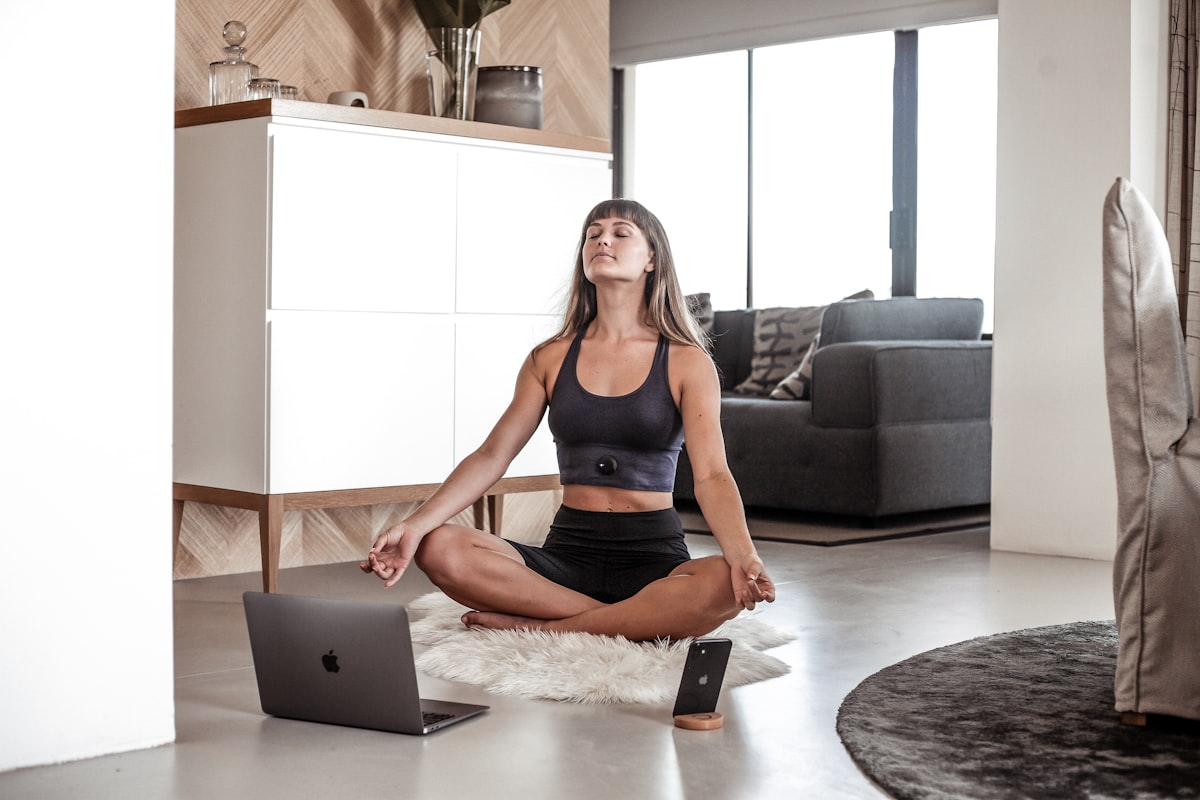
Journaling and Reflection
Writing practices for emotional clarity
Sleep Optimization
Designing restorative rest environments
Your 5-Step Stress Relief Journey
Assess Your Stress Triggers
Begin by identifying what causes you stress. Keep a daily log of stress episodes, noting situations, thoughts, and physical sensations. Understanding your triggers empowers you to address them proactively and choose appropriate coping strategies.
Choose Your Techniques
Explore different stress management methods and select those that resonate with you. Whether you prefer physical exercise, meditation, breathing work, or creative outlets, consistency matters more than perfection. Experiment to find what works best.
Build Daily Habits
Integrate stress management into your daily routine. Schedule dedicated time for practice, even if just 10-15 minutes. Habit stacking—pairing your practice with existing routines—increases adherence and makes stress management sustainable long-term.
Track Progress and Adjust
Monitor changes in your stress levels, sleep quality, and mood. Use metrics like a simple stress scale or journaling reflections. Be willing to adjust your approach as you learn what works best for your unique situation and lifestyle.
Build Resilience and Sustain
As techniques become habits, you develop deeper resilience and emotional strength. Continue refining your practice, remain curious about new approaches, and celebrate your progress. Stress management is a lifelong skill that evolves with you.
Discover More Evidence-Based Strategies
Our editorial team has compiled comprehensive guides on stress management techniques backed by research. Explore techniques that fit your lifestyle and start your journey to greater peace and resilience.
Real Stories from Stress-Free Individuals
After learning these stress management techniques, my anxiety levels dropped significantly within three weeks. The progressive muscle relaxation technique became my evening routine, and I finally sleep through the night. The practical approach and clear instructions made everything accessible.
Budi Santoso
Jakarta, Indonesia
The mindfulness meditation articles were exactly what I needed. I was skeptical at first, but after consistent practice for a month, I notice I respond to stressful situations with much more calmness. My family even commented on how different I've become. Highly recommend.
Siti Nurhaliza
Bandung, Indonesia
The breathing exercises changed my life. I can use them at work when meetings get stressful, and nobody even notices. Within minutes, I feel calmer and more focused. The step-by-step guides were easy to follow, and I appreciate the science behind each technique.
Ahmad Wijaya
Surabaya, Indonesia
What impressed me most was the holistic approach—combining exercise, nutrition, sleep optimization, and cognitive techniques. I didn't need to pick just one method; the integration of multiple approaches created real change. My productivity at work improved too.
Eka Putri Dewi
Yogyakarta, Indonesia
Common Questions About Stress Management
How long does it take to see results from stress management techniques?
Most people notice initial benefits within 1-2 weeks of consistent practice. Some techniques like deep breathing provide immediate relief, while others like meditation show cumulative effects over time. The key is regular practice—even 10 minutes daily is more effective than sporadic longer sessions. Individual results vary based on stress levels, practice commitment, and technique choice.
Can I combine different stress management techniques?
Absolutely. Most people benefit from combining multiple approaches. For example, you might use morning meditation, midday breathing exercises, evening exercise, and nightly journaling. A holistic approach addresses stress from multiple angles—physical, mental, emotional, and behavioral—creating more comprehensive and sustainable results.
Which technique is best for beginners?
Deep breathing is often the best starting point because it requires no equipment, can be done anywhere, and provides immediate relief. Breathing exercises have a low barrier to entry—anyone can practice them successfully. From there, you can explore meditation, progressive muscle relaxation, or exercise based on your preferences and lifestyle.
Do I need any special equipment or environment?
No. Most stress management techniques require nothing but your body and a few minutes of time. While a quiet, comfortable space enhances practice, techniques like breathing exercises work at your desk, during commute, or in busy environments. Start with what's available, then gradually optimize your space as you develop your practice.
What if a technique doesn't work for me?
Stress management is highly individual. If one technique doesn't resonate, try another. Some people connect with meditation while others prefer physical exercise. Experiment with different approaches over 1-2 weeks before concluding. Many people find success by mixing techniques or adjusting how they practice based on feedback from their experience.
How do I maintain consistency with How do I maintain consistency with my new habits?
Consistency is built through environment design and identity shifts. Remove friction by preparing the night before—lay out workout clothes, prepare your meditation space, or set up your journal. Track visually with a calendar or app to create a visible streak. The real secret is linking habits to your identity: instead of "I want to exercise," think "I am someone who prioritizes fitness." Start with tiny habits (2-minute workouts, 3-minute meditations) to guarantee success early on, then expand. Expect to miss occasionally—one missed day isn't failure, but two becomes a pattern. Get back on track immediately.
Real Stories from Our Community
"Manlyhabitflow transformed how I approach my mornings. I went from hitting snooze five times to waking up energized. The framework is simple but incredibly effective."
Marcus T.
Entrepreneur, Austin TX
"I've tried dozens of productivity apps and systems. This one actually stuck. The daily tracking keeps me accountable without being overwhelming."
David R.
Product Manager, Seattle WA
"The science-backed approach makes sense. I'm not just following random advice—I understand why each habit matters. That knowledge keeps me motivated."
James K.
Fitness Coach, Denver CO
"After 30 days, I noticed changes in my focus, energy, and mood. My wife even commented on how much more present I've become. Worth every minute invested."
Robert H.
Executive, Chicago IL
Ready to Transform Your Habits?
Join hundreds of men building unstoppable momentum with Manlyhabitflow. Start today—it only takes 5 minutes to set up your first habit.
No credit card required. 7-day free trial included.